What to Pack in Your Travel First Aid Kit
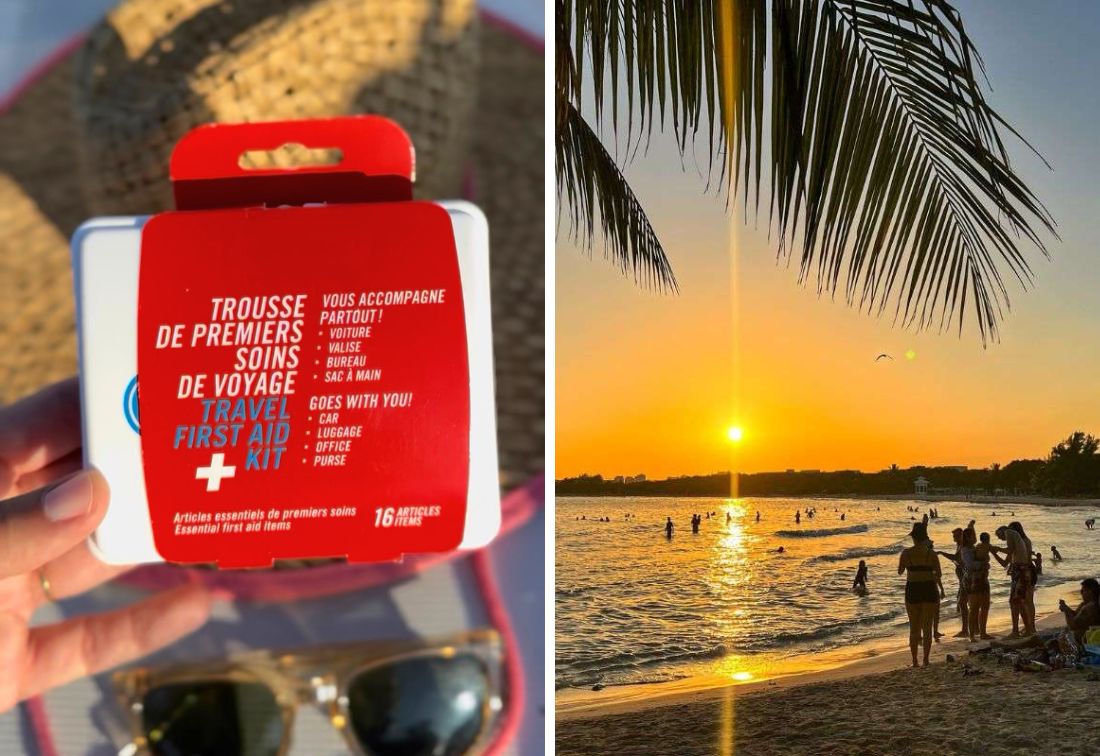
Nobody plans on getting sick or injured on vacation, but it's always better to be prepared, especially when you're travelling abroad!
A blister, a bad sunburn or an upset stomach can easily ruin a day of your trip. Having a few basics in your travel first aid kit can save you a lot of trouble, without having to pack your entire medicine cabinet.
Here's what to pack in your personal travel first aid kit so you're ready for those little mishaps along the way!
Start With a Ready-Made First Aid Kit
You don't need to buy everything separately! Most pharmacies sell small first-aid kits that already include the basics for minor injuries, such as adhesive bandages, gauze pads and medical tape. Some even come with scissors or tweezers.
You might not think much about finding something as simple as a Band-Aid until you actually need one! In certain destinations, especially on islands, even basic supplies can be surprisingly hard to find. During religious holidays or local celebrations, including Ramadan in some countries, shops may also have reduced hours, and deliveries can take longer than usual.
Once you've got your basic kit, add anything else you might need, depending on where you're going, the time of year and what you'll be doing during your trip.
Going on a road trip? It's also worth keeping a first aid kit in your car!
Don't Forget Sunscreen
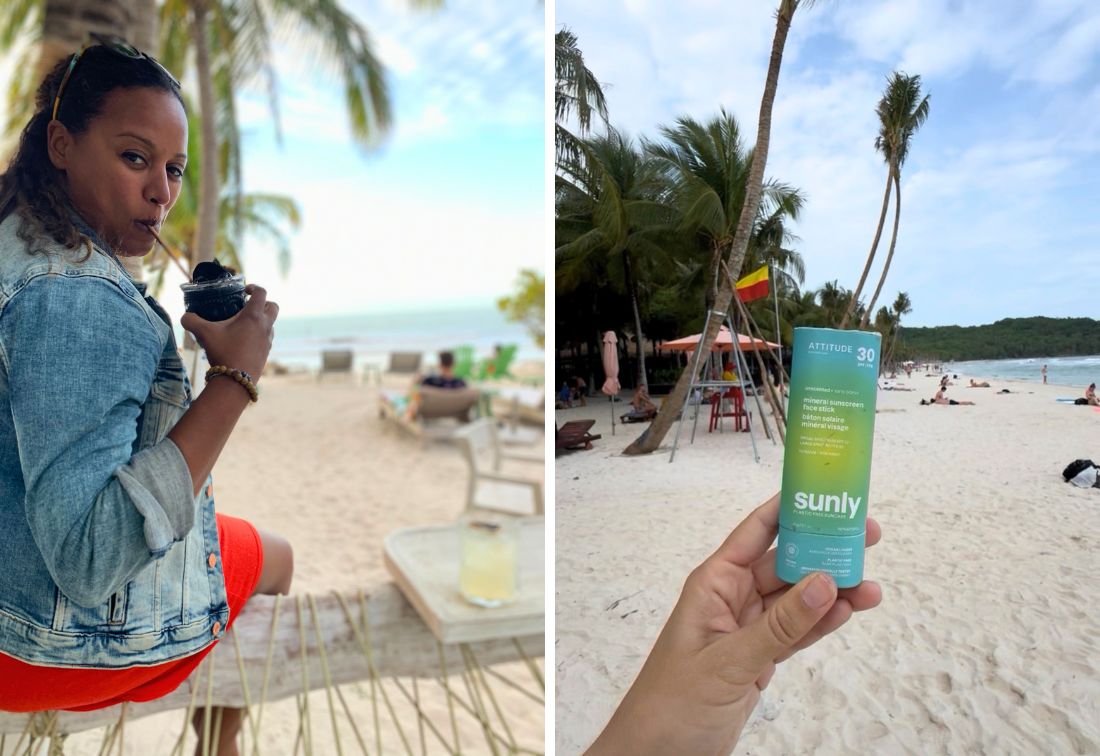
Sunscreen should always make it into your suitcase, especially if you're heading somewhere warm and sunny.
Look for SPF 30 or higher, or SPF 50 if you have sensitive skin. Sunscreen sticks are another great option for travelling. They're small, easy to apply and won't leak all over your luggage.
You can even get powder sunscreen with a built-in brush, almost like makeup, to protect your scalp along your hair part. It's one of those spots people tend to forget about until they end up with a sunburn!
Planning to go snorkelling or scuba diving? You can also look for sunscreens marketed as reef-friendly, which are formulated with ingredients intended to reduce their impact on coral reefs.
After spending hours in the sun, aloe vera gel or an after-sun lotion can feel really good on your skin. Especially if you've had a little too much sun and are starting to look like a tiny lizard!
Keep Mosquitoes From Ruining Your Trip
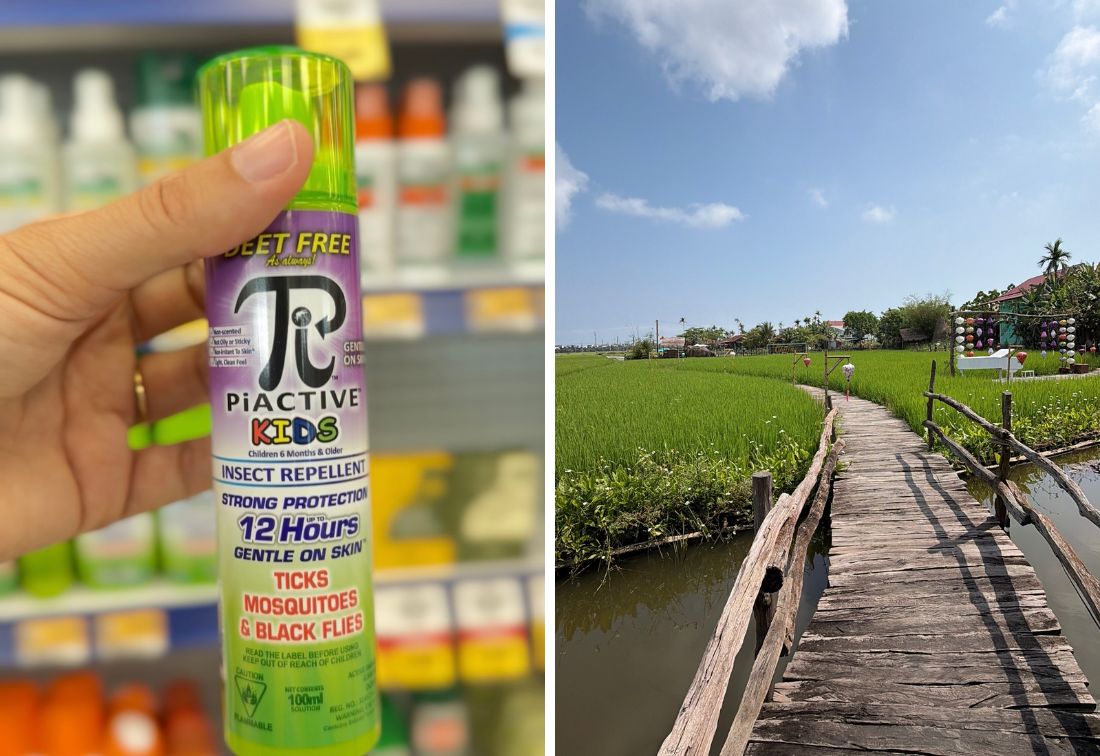
There's nothing worse than getting eaten alive by mosquitoes when all you're trying to do is enjoy a beautiful sunset!
In some countries, mosquito bites can also spread diseases such as dengue, malaria, Zika and chikungunya. Insect repellents containing DEET or icaridin offer good protection. Natural products made with citronella might be useful in certain situations, but they're not a substitute for proven insect repellents in areas where mosquitoes carry diseases.
It's also a good idea to wear long sleeves and pants when mosquitoes are most active, particularly around sunrise and sunset.
Keep Hand Sanitizer Within Reach
Hand sanitizer is one of those things you'll be glad you packed! Keep a few travel-sized bottles in different bags so you always have one handy. They're especially useful when you come across a bathroom with no soap or running water, or when you're taking public transportation.
Eating at an all-inclusive buffet? Clean your hands after using the shared serving utensils and before you sit down to eat.
Disinfecting wipes are also worth bringing along. You can use them to wipe down the tray table and armrests on a plane, or your child's high chair at a restaurant.
get covered with sonomad today
Travelling Soon?
Save up to 25% on your travel insurance
Pack Supplies for Small Cuts and Blisters
A small cut or scrape can happen when you least expect it. Make sure your kit has adhesive bandages in different sizes, gauze pads and medical tape.
Clean water is usually enough to rinse a minor wound. You could also pack a small bottle of iodine antiseptic, such as Betadine, and a tube of Polysporin.
Anyone who's spent a full day walking around in new shoes or flip-flops knows how painful blisters can get! Blister bandages are made specifically for this problem and work much better than regular Band-Aids. They might just save you from having to limp around for the rest of the day.
Bring Medication for Common Travel Ailments
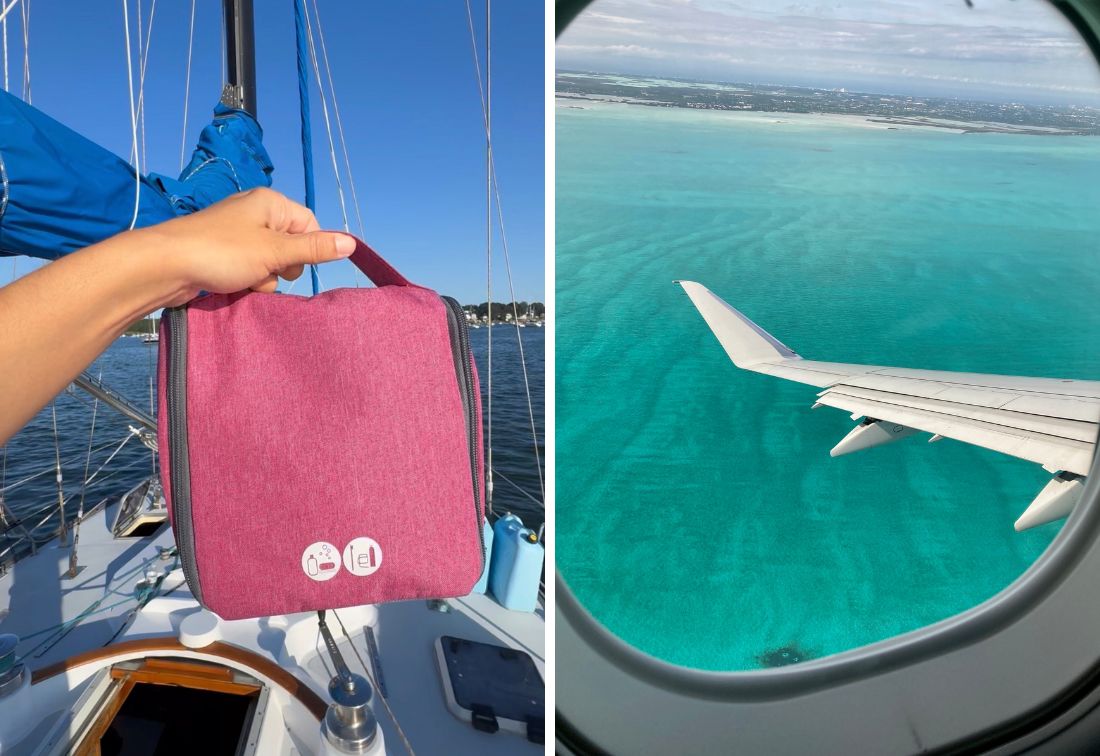
For motion sickness, Gravol is a classic addition to a travel first-aid kit. Ginger candies can also help settle your stomach if you're feeling nauseous.
When it comes to digestive problems, some travellers swear by activated charcoal tablets! Before adding them to your kit, though, check with your pharmacist. Activated charcoal can interfere with certain medications, and it isn't necessarily the right choice for every stomach problem.
While you're there, tell your pharmacist where you're going and how long you'll be away. They can help you figure out which over-the-counter medications are worth bringing for your particular trip.
If you take prescription medication, make sure you have enough to last your entire stay. Don't leave refills until the last minute! Keep everything in its original packaging and bring copies of your prescriptions, just in case.
One rule we always recommend following: keep your medication in your carry-on, never in your checked luggage! You never know what might happen to your bags. If they're delayed or lost, at least you'll still have your medication with you.
Add Some Oral Rehydration Salts
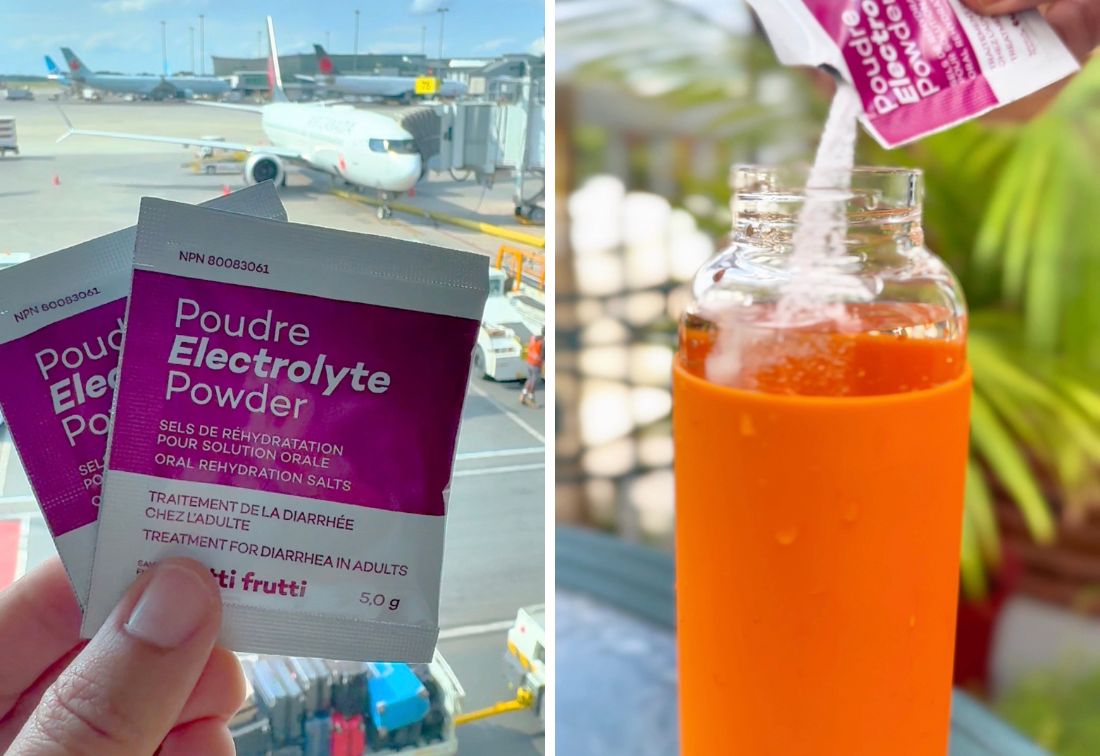
Oral rehydration salts aren't just for when you're sick! These little packets mix with water and can help replace fluids and electrolytes when you're dehydrated, especially after spending a long day in the heat. They can also come in handy after hours at the beach or during a long flight.
Don't wait until you're feeling dehydrated to drink water and replace lost electrolytes when needed! The packets barely take up any space in your luggage, so it's easy to bring a few extras.
Adjust Your Kit to the Kind of Trip You're Taking
What you pack for a week at an all-inclusive resort probably won't be the same as what you'd bring on a multi-day hike in the wilderness!
If your trip involves a lot of physical activity, elastic bandages or anti-inflammatory gel might be useful additions.
Even at an all-inclusive resort, where you can usually find a small pharmacy or medical clinic, some products can cost a lot more than they would back home.
Travelling with kids? Bring age-appropriate medications, particularly for fever or allergies, along with a small oral syringe for giving liquid medicine. Throw in a few extra Band-Aids, too. Little accidents seem to happen pretty quickly when kids are involved!
Check Your Kit Before You Leave
Packing your first aid kit in your carry-on luggage? Remember that liquids generally need to be in containers of 100 mL or less, although exceptions apply to certain medications.
It's also a good time to check expiry dates and replace anything you used during your last trip. The last thing you want is to reach for your first aid kit and realize half the supplies are missing!
Don't Forget Travel Insurance
A well-stocked first aid kit can help you deal with minor injuries and everyday travel mishaps. But if you get seriously sick or need medical attention abroad, the bills can add up quickly.
That's why travel insurance is another important thing to arrange before you leave. To help protect your vacation budget from unexpected medical expenses, get a quick quote with soNomad before your next trip!